Shadow and light.
To Flore.
For the last few years, if my wanderings flew me to Italy, I seek for Artemisia Gentileschi’s paints. I want to see her pieces in “flesh and blood” so I might glimpse at her obsession, so I might breathe her passionate colors, so I might sink into her violent stories.
Yet, most of the time, like today for instance as I randomly visit a Caravage’s exhibition within Palazzo Barberini’s walls, I am never sure my wishes will be granted. Last time, in Naples, I knew Samson and Delilah were awaiting for me; but today, I leave myself to fate, stunned, my hope still vivid to meet my favorite painter.
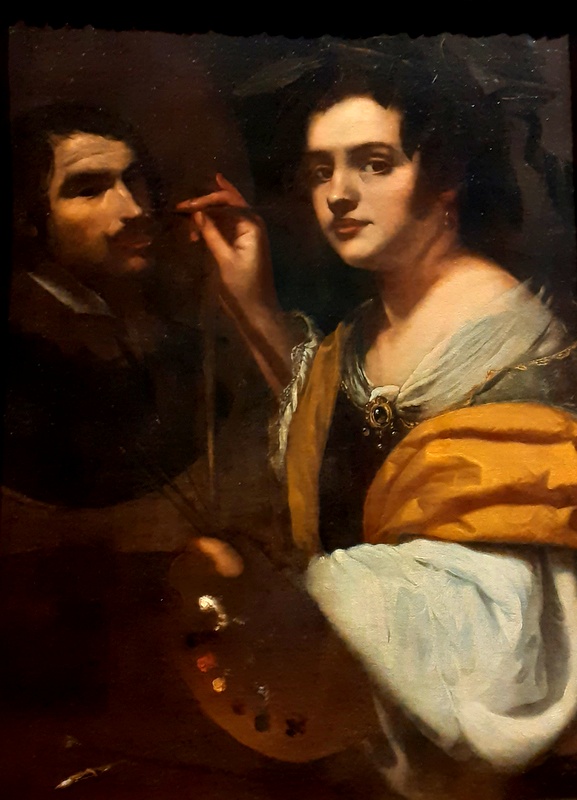
And I get a first clue as Saint Francis’ angel drawn by Orazio gives me reason to believe. If the father is here, the daughter should follow… I sense her before I even get a glimpse at her, I turn the corner and I know she is the one looking at me with her keen eyes. I am cheerful like a child, I would laugh if the mask wasn’t shutting me down, I would dance if was not afraid to look insane.
Instead, I endlessly gaze at her. I like how peaceful the paint makes me feel. I remember she was in love at the time, the whiskered man might even be Simon Vouet to whom she sent passionate love letters, for whom she was consumed with desire, so much she was afraid to lose her art. This is one of the reasons why I felt so close to Artemisia back then, we shared the same insidious and insane fear we would always have to choose, between love and art, between happiness and talent, between passion and reality.
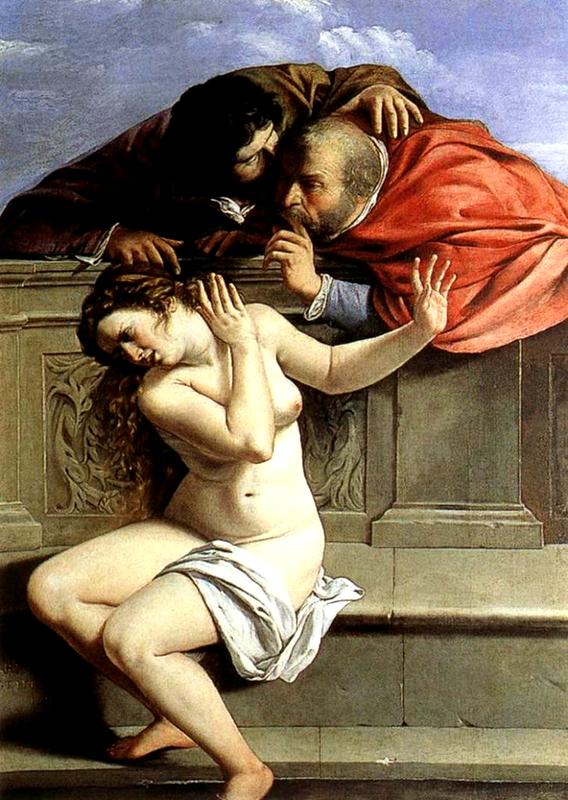
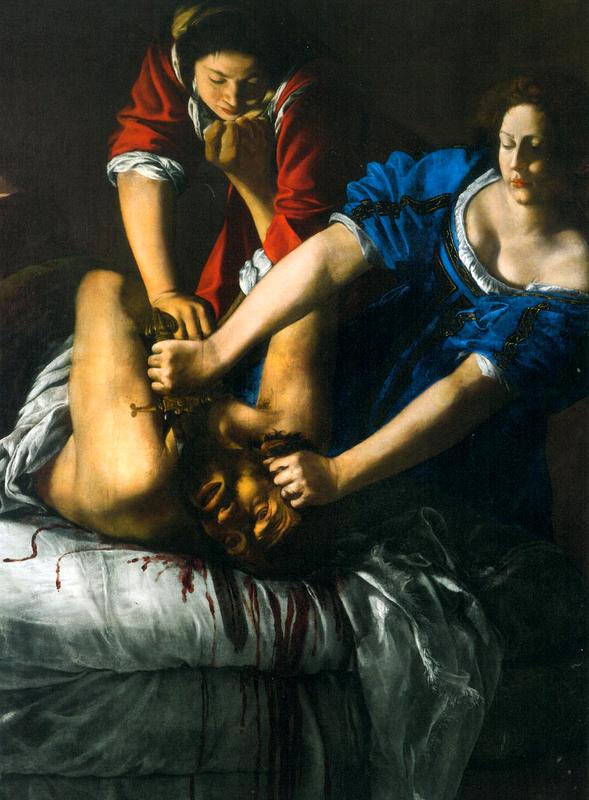
Although, at that time, I might even have felt closer to the teenage artist she was. When she had everything to prove, when she only wanted to be freed. From rules. From her father. From society. From women’s roles.
Artemisia didn’t aim for divinity, she wanted to put a face on myths. She burnt to shout to the world her own truth on her canvas. Blood, mud, screams, tears. She quit divine representation, biblical grace, to go back to the flesh. Only truth mattered. She defied other painters, her dad, God himself, to bring allegories back to flesh, reality, triviality and truth.
Artemisia was passionate and I think I wish I had the courage to be as furious as she was. But I was quieter, I asked for two other friendly hands to help me write her theatrical story.
And as her portrait is staring at me and undress my past, I suddenly remember Artemisia was born in Rome. Everything started here. Her both woman and artist life was defined here. By her father. By her rapist. By her lover. Here, she sublimated her body’s traumas through Suzanne’s face under the old men harassment. Here, she claimed her life back by emasculating her tyran with Judith’s blue – and what a blue – sword. I would like to remember the name of the viccole where everything began to grasp a memory, but it is too far in time.
Instead, I gaze at her saffron yellow scarf. The yellow that always reminded her of her mother and she struggled so much to paint, like if she felt guilty to use it for somebody else. I feel overflown by the same soft and warm light she painted herself. I would almost smell the amber our four hands used to write.
Instead, I cherish the serendipity. Even if Artemisia was full of doubts her whole life – what artist or human isn’t? -, we meet here in the same mood. We are facing each other at the most peaceful we might be. We are not furious anymore; we simply are. In our naked truth. In our humble art. In our unconditional love.
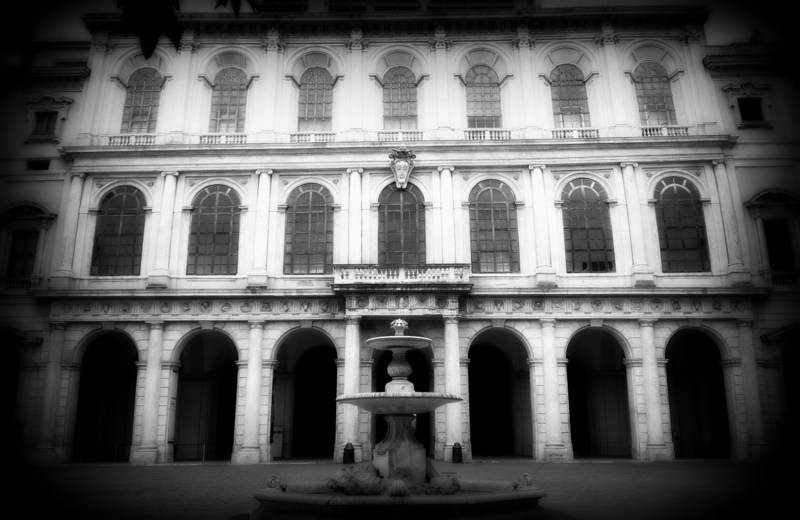
Justine T.Annezo – August, 21st 2020, Palazzo Barberini [Rome] – GMT+2
 Fleeting Wor(l)ds